A consolidated reference for current field studies, institutional data, technical analyses, and regulatory evidence in indoor microbiology and urban sanitation science. Updated monthly by our editorial team.
Healthcare Environments
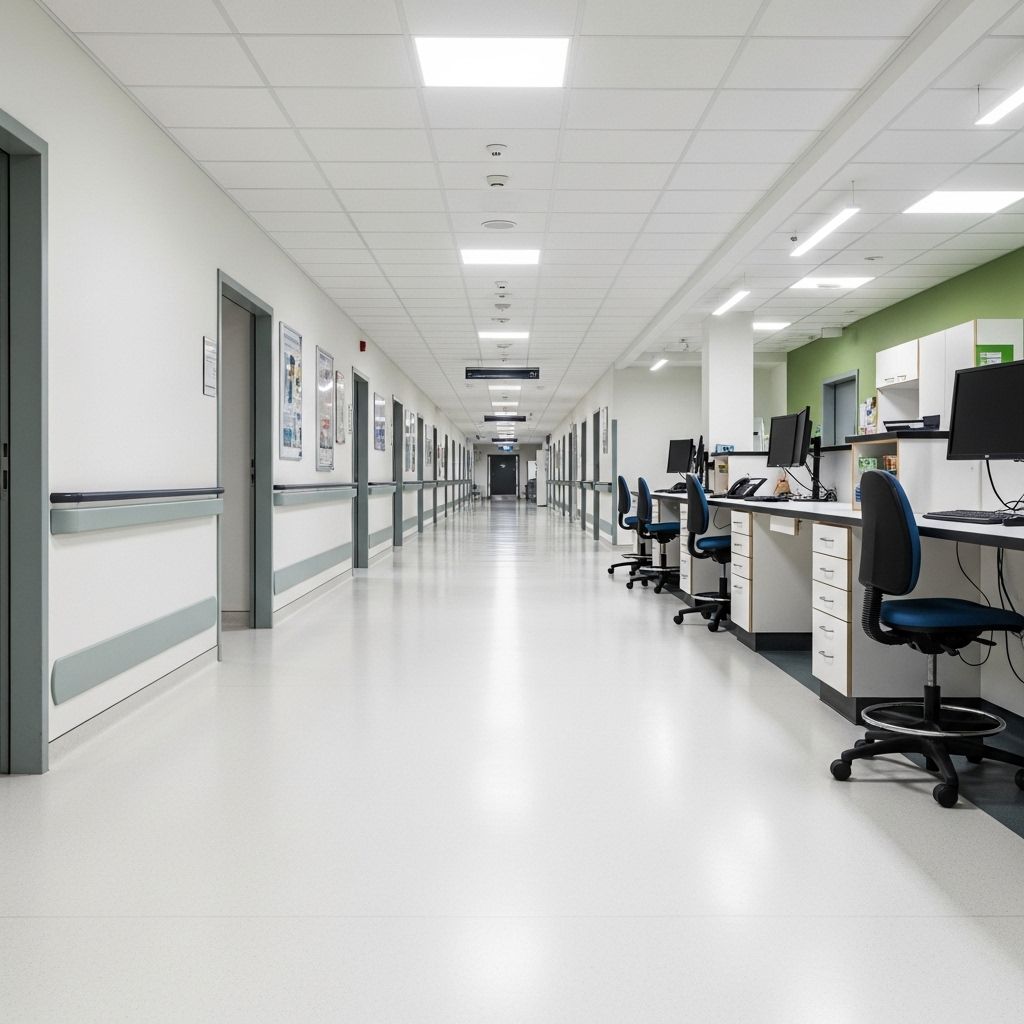
A systematic surface-swab survey covering 12 wards across three German university hospitals — Düsseldorf, Cologne, and Münster — establishes new baseline data for hospital microbiome management and reveals that 23% of sampled surfaces exceeded established microbial load thresholds, even immediately after scheduled cleaning cycles.
Read Full Analysis →
Editorial Team · September 8, 2024 · 10 min
Dr. Markus Held · August 15, 2024 · 13 min
Prof. Inge Hartmann · July 30, 2024 · 15 min
Are you a researcher with field data or findings relevant to indoor microbiology in German built environments? We welcome data submissions and collaboration enquiries from academic institutions and qualified practitioners.
Contact Editorial Team| Study / Source | Year | Environment | Key Finding | Relevance |
|---|---|---|---|---|
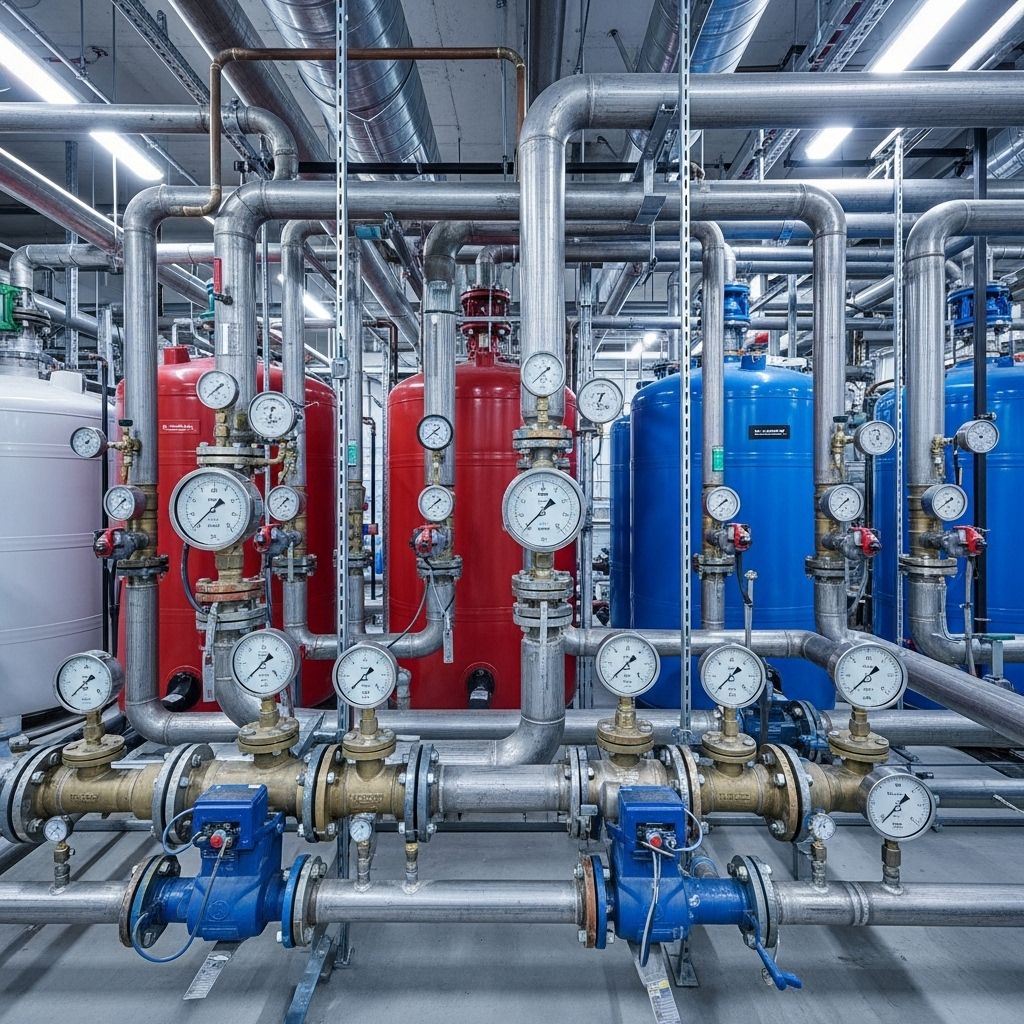
| RKI Legionellosis Surveillance Report | 2023 | Building water systems, Germany | 1,748 confirmed cases (+31% vs. 5yr avg). 90% building-associated. | High |
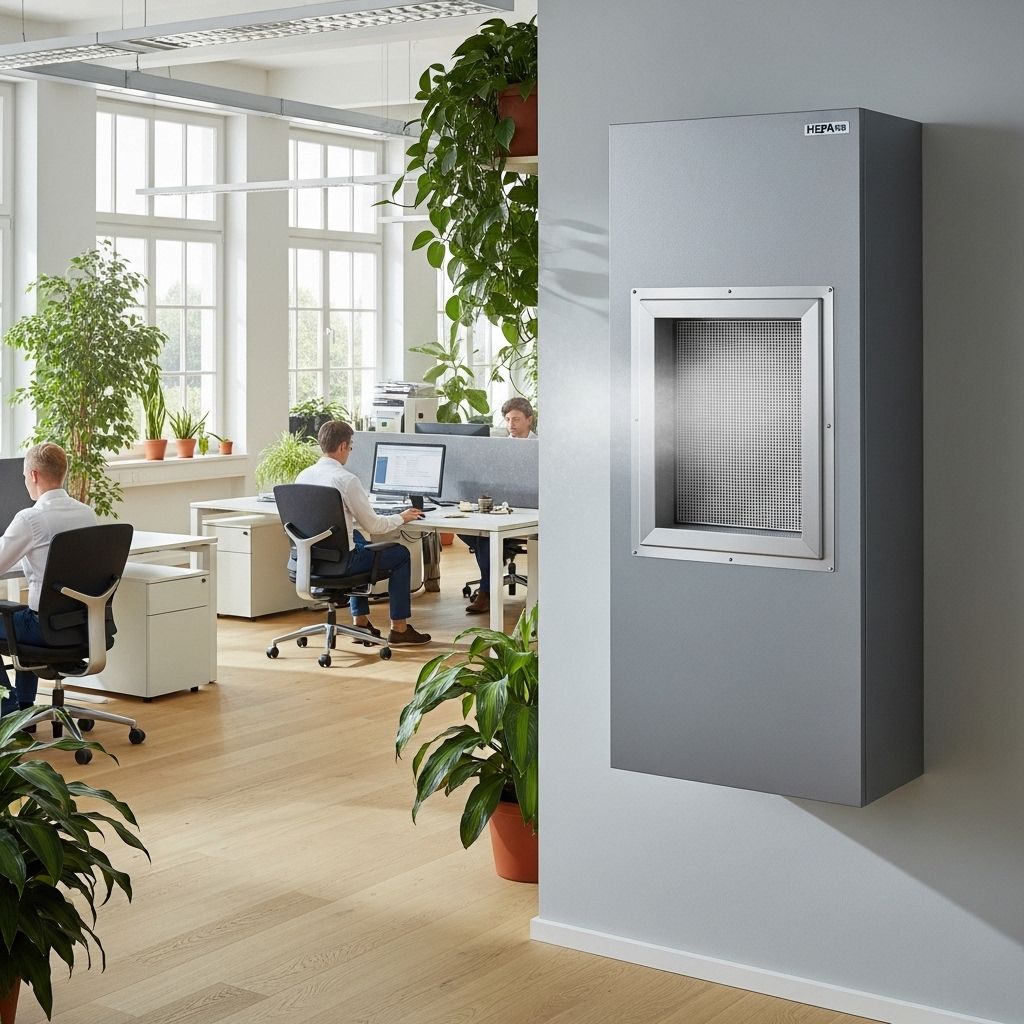
| Weisberg et al. (CleaningHouses) | 2024 | Office buildings, 42 sites, Germany | Microbial density in sealed HVAC 300–800× outdoor air baseline. 42,000+ species identified. | High |
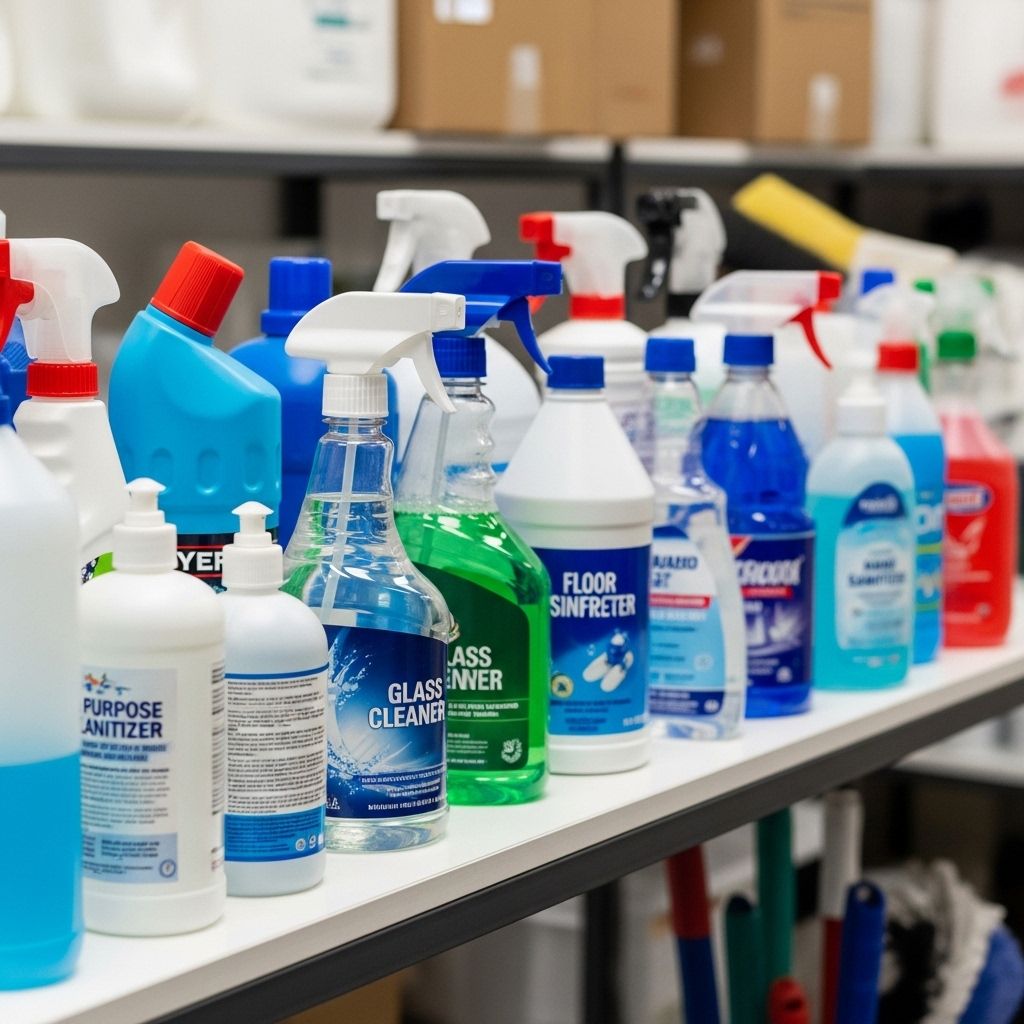
| Hartmann et al., J. Applied Microbiology | 2023 | Commercial kitchen surfaces, NRW | QAC tolerance induction in Staphylococcus aureus within 14 days of sub-lethal exposure at standard label dilutions. | High |
| Köhler et al., Environmental Health Perspectives | 2024 | Transit surfaces, Berlin/Munich/Düsseldorf | ESBL-producing Enterobacteriaceae detected on 18% of handrails. Survival on dry surfaces up to 72 hours. | High |
| Braun et al., Infection Control & Hospital Epidemiology | 2024 | Commercial offices, NRW & Hesse | MRSA on 34% of sampled keyboard surfaces; significant correlation with shared workstation policy. | High |
| DVGW W551 / VDI 6023 rev. | 2023 | Regulatory framework, Germany | Quarterly risk assessments mandatory for commercial buildings >50 occupants; digital maintenance log requirement introduced. | Regulatory |
| Bundesgesundheitsblatt Economic Analysis | 2023 | Commercial buildings, nationwide | Average Legionella remediation cost €85,000 vs. €4,200–9,500 for annual prevention program. Cost ratio ~1:12. | High |
| ECDC AMR Surveillance Network | 2023 | Healthcare environments, EU-wide | Germany ranked 4th-highest in Europe for MRSA healthcare prevalence; built-environment vectors identified as contributing factor. | Medium |
Table represents a curated summary for reference purposes. Consult original publications for full methodology and statistical detail.
Buildings subjected to aggressive disinfection protocols during 2020–2022 are showing altered microbial community compositions — with reduced diversity, reduced resilience, and unexpected enrichment of certain resistant phenotypes.
Related Articles →TiO₂-based photocatalytic coatings and hydrogen peroxide vapor systems are entering German commercial building maintenance programs. Field-scale efficacy data is needed to validate laboratory benchmarks under real-world conditions.
Related Articles →AMR gene transfer between bacterial species is not exclusive to clinical settings. Office surfaces, HVAC filters, and drain biofilms are emerging as potential non-clinical reservoirs for plasmid-mediated resistance trait dissemination.
Related Articles →