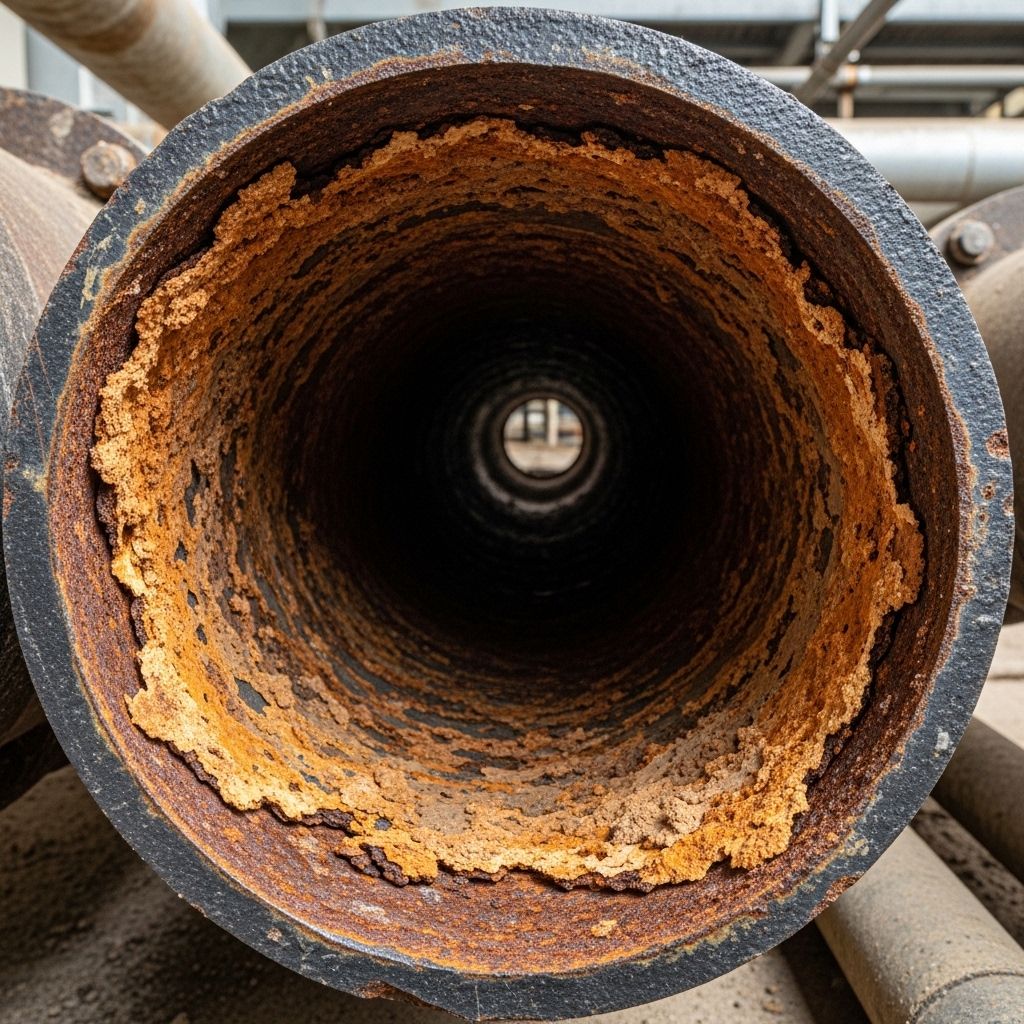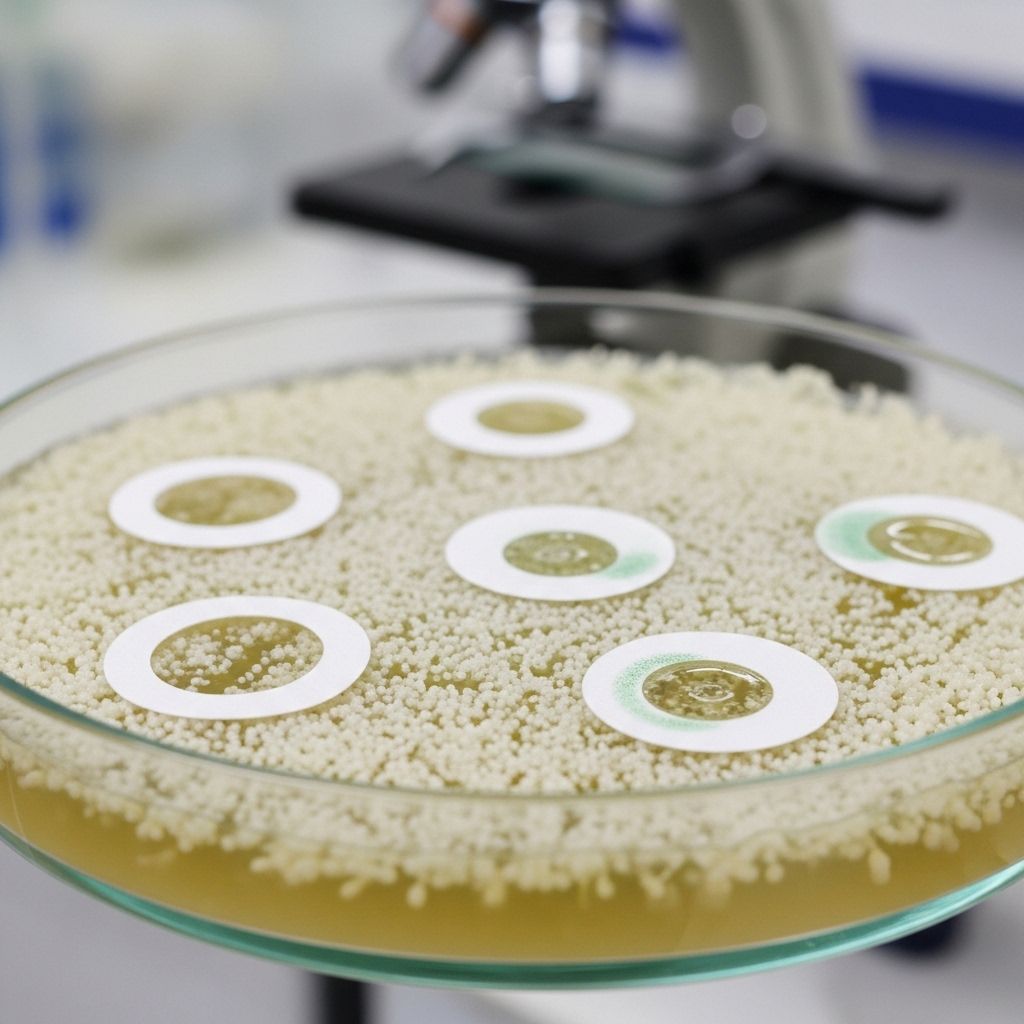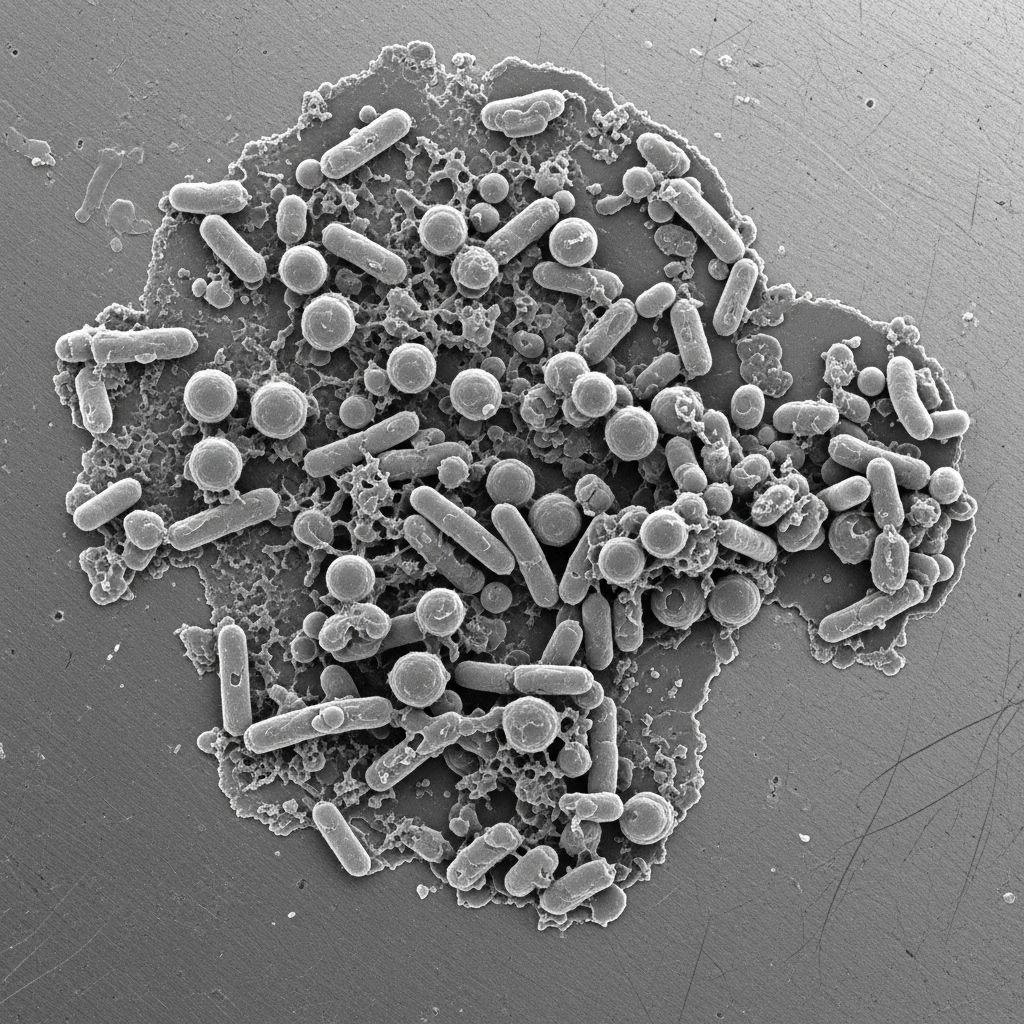
SEM visualization of a multi-species biofilm recovered from a sealed ventilation duct. Image: CleaningHouses Research Archive.
The Study at a Glance
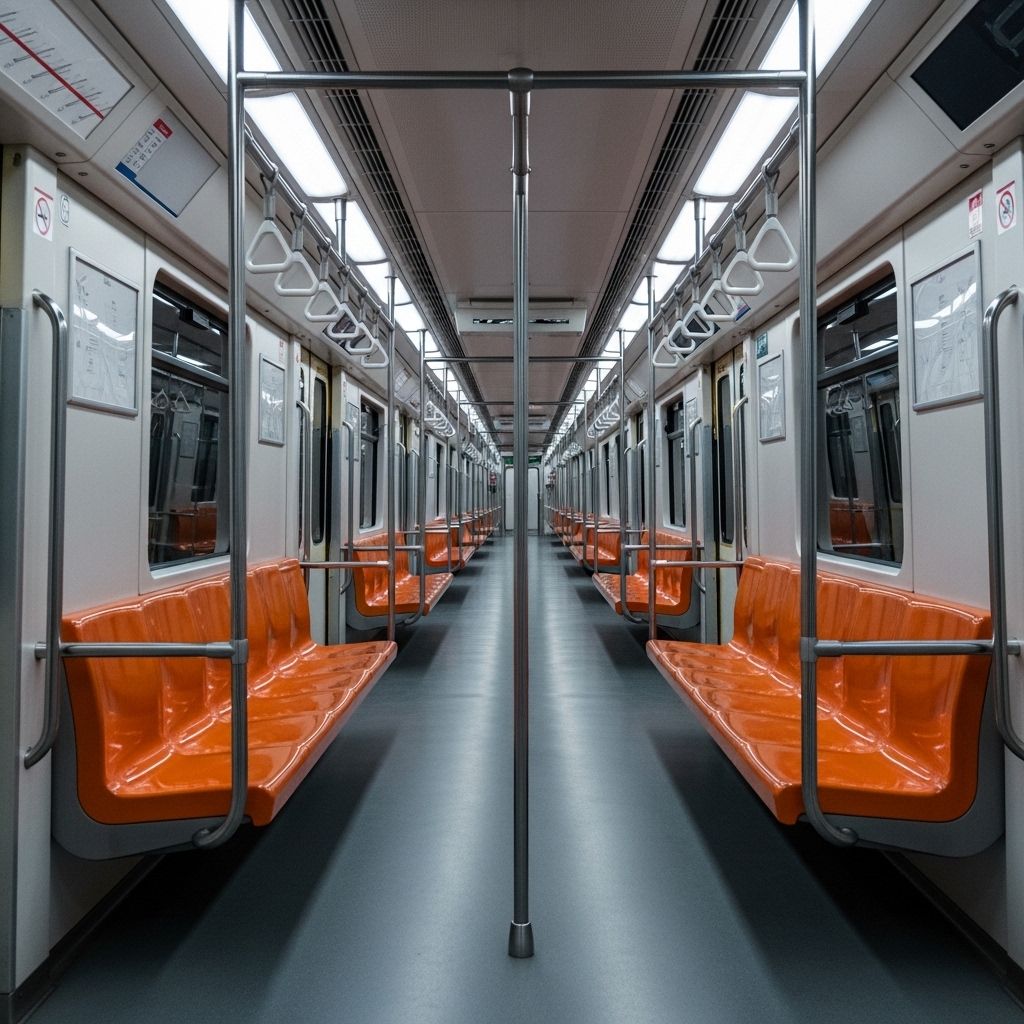
Between January 2021 and December 2023, a research consortium led by CleaningHouses in collaboration with the Heinrich Heine University Düsseldorf and the German Federal Environment Agency conducted systematic microbiome sampling across 42 commercial office buildings in six German cities: Düsseldorf, Cologne, Frankfurt, Hamburg, Munich, and Berlin. Buildings were selected to represent a cross-section of construction eras (1960–2022), ventilation typologies, occupancy densities, and cleaning regimes.
A total of 3,840 samples were collected across four sampling domains: HVAC ductwork interior surfaces, floor surfaces (carpeted and hard-flooring zones), desk and workstation surfaces, and ambient air in occupied zones. Each sample was subjected to 16S rRNA amplicon sequencing and, for a representative subset of 420 samples, shotgun metagenomics. The resulting dataset constitutes one of the most comprehensive built-environment microbiome inventories produced in German-speaking Europe.
Core Finding: The Ventilation Microbiome Is a Distinct Ecosystem
The study's headline finding — that microbial density in sealed HVAC ductwork exceeds outdoor ambient air concentrations by 300 to 800 times depending on system age, maintenance status, and occupancy intensity — is more than a dramatic statistic. It reflects a fundamental ecological reality about how closed built environments function as microbial amplifiers.
Outdoor urban air in German cities carries a measurable and well-characterized microbial load: approximately 10,000–50,000 microbial cells per cubic meter, predominantly bacterial, with significant contributions from fungal spores and pollen. This outdoor community is constantly refreshed by meteorological mixing, UV exposure, and the physical dispersion dynamics of open spaces.
Inside sealed ductwork, none of these resetting mechanisms operate. The dark, humid, thermally stable environment of an unserviced ventilation duct provides near-optimal conditions for the accumulation and diversification of microbial communities. Our metagenomic data showed that duct communities in buildings with service intervals exceeding 36 months contained median cell densities of 4.2 × 10⁷ cells per cm2 of duct surface — a figure that, integrated over typical commercial building ductwork surface areas, represents an extraordinary standing microbial biomass continuously seeding the air breathed by occupants.
What Taxa Are We Actually Dealing With?
The taxonomic composition of the indoor microbiome differed substantially from outdoor air in all 42 buildings studied. While outdoor air was dominated by Proteobacteria and Actinobacteria (reflecting soil and plant-associated communities), indoor duct communities were characterized by a distinct assemblage dominated by:
- Firmicutes (38.4% mean relative abundance): Predominantly Staphylococcus spp. and Bacillus spp., with significant representation of Clostridium in buildings with carpeted floors and lower air exchange rates.
- Bacteroidetes (21.7%): Largely human-skin-derived organisms including Corynebacterium, Propionibacterium, and Cutibacterium — signatures of human occupancy that accumulate and persist long after occupants have left the building.
- Proteobacteria (19.2%): Including several opportunistic pathogens of clinical relevance: Pseudomonas aeruginosa, Acinetobacter baumannii (found in 31 of 42 buildings), and at low but detectable levels, Legionella pneumophila in buildings with connected water-air interfaces.
- Fungi (12.6% of detectable eukaryotic sequences): Dominated by Cladosporium, Aspergillus, and Penicillium species, with Aspergillus fumigatus detected above clinical threshold concentrations in 7 of 42 buildings.
"The indoor microbiome of a modern office building is not simply a diluted or slightly modified version of outdoor urban air. It is a distinct ecosystem, shaped by human behavior, building materials, cleaning chemistry, and ventilation engineering — and it has a direct, measurable impact on the health and productivity of the people inside it."
The Role of Cleaning Frequency and Chemistry
One of the study's most operationally significant findings concerns the relationship between cleaning regimes and microbiome composition. Buildings that employed professional HVAC cleaning services on annual or biannual schedules showed consistently lower pathogenic organism prevalence — but the relationship was not linear. Buildings where chemical disinfection was applied without adequate physical removal of biofilm prior to chemical treatment showed a paradoxical outcome: the disinfection treatment enriched for disinfectant-tolerant taxa, including several strains of Staphylococcus epidermidis and Bacillus subtilis with documented tolerance to quaternary ammonium compounds.
This finding aligns with the growing body of evidence on disinfectant tolerance selection in indoor environments and has direct implications for the sequencing and chemistry selection in commercial HVAC maintenance protocols.
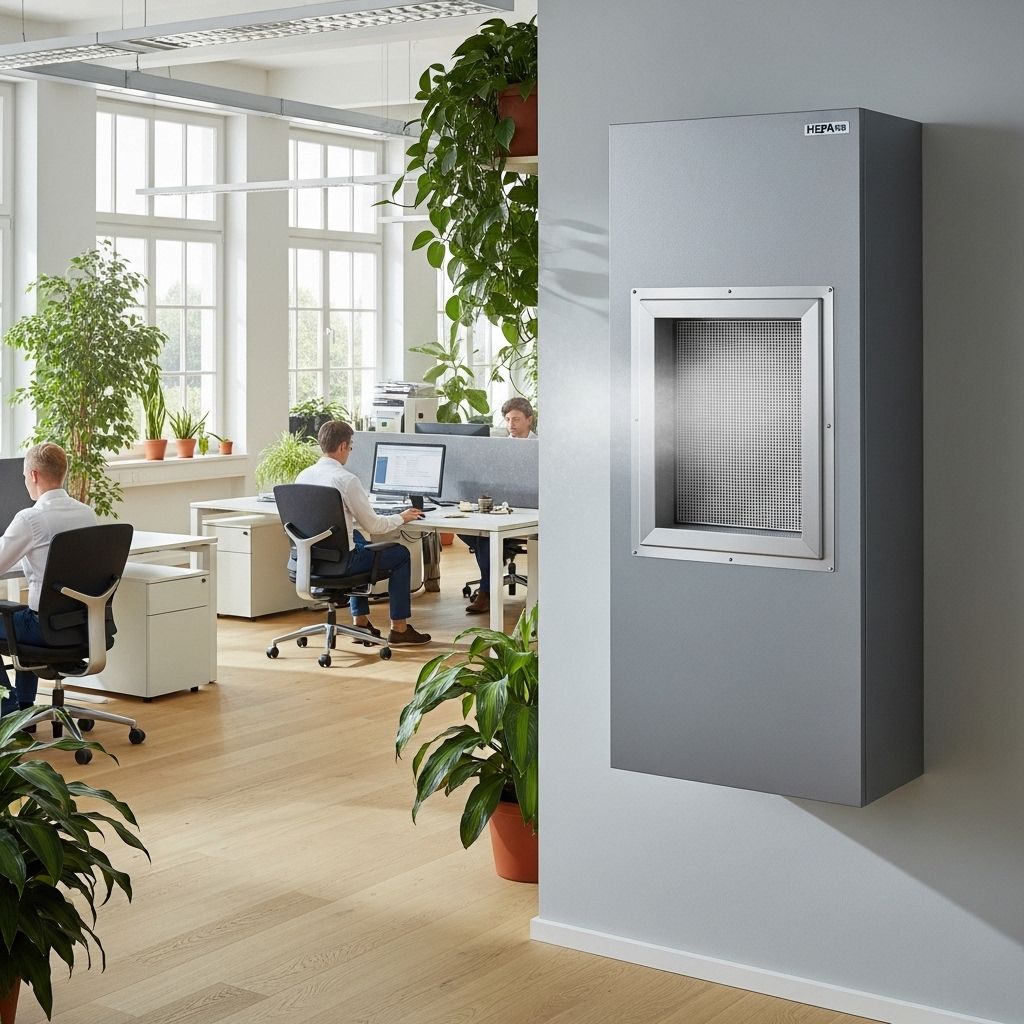
Supplementary HEPA filtration reduced viable airborne microbial counts by 68–94% in the buildings where it was deployed during this study.
Occupant Health Correlations
While the study was not designed as a clinical outcomes trial and did not have the statistical power to establish causal relationships between specific microbiome metrics and individual health outcomes, the occupant health questionnaire data collected across participating buildings revealed several correlations of policy relevance. Buildings in the highest quartile for duct microbial density reported 2.8× higher rates of Sick Building Syndrome (SBS) symptom clusters (persistent headache, fatigue, upper respiratory irritation) compared to buildings in the lowest quartile. Respiratory illness absenteeism tracked similarly.
Policy Recommendations
Based on the study findings, the research consortium has submitted the following recommendations to the German Federal Ministry of Housing and the Bundesverband der Deutschen Heizungs-, Klima- und Sanitärindustrie (BDH):
- Mandatory biennial microbiological assessment of HVAC systems in commercial buildings with daily occupancy exceeding 50 persons
- Revision of the DIN EN 15780 standard on ventilation cleanliness to include microbiological benchmarks alongside the current particulate-load criteria
- Development of a standardized German indoor microbiome reference database to enable benchmarking across building types
- Incentive mechanisms under the Gebäudeenergiegesetz (GEG) for building owners who achieve certified microbiological hygiene standards
Sources & References
- Weisberg K, et al. Metagenomic characterization of indoor microbiomes across German commercial office buildings 2021–2023. CleaningHouses Research Series, 2024.
- Kembel SW, et al. Architectural design influences the diversity and structure of the built environment microbiome. ISME Journal, 2012;6(8):1469–1479.
- Prussin AJ, Marr LC. Sources of airborne microorganisms in the built environment. Microbiome, 2015;3:78.
- German Federal Environment Agency. Indoor air quality in Germany: Current status and regulatory gaps. Umweltbundesamt Technical Report, 2023.
- DIN EN 15780:2011. Ventilation for buildings — Ductwork — Cleanliness of ventilation systems. (Under revision 2024.)
About the Author
Dr. Klara Weisberg
Editor-in-Chief. PhD in Environmental Microbiology, FU Berlin. Former research fellow, Helmholtz Centre for Infection Research.