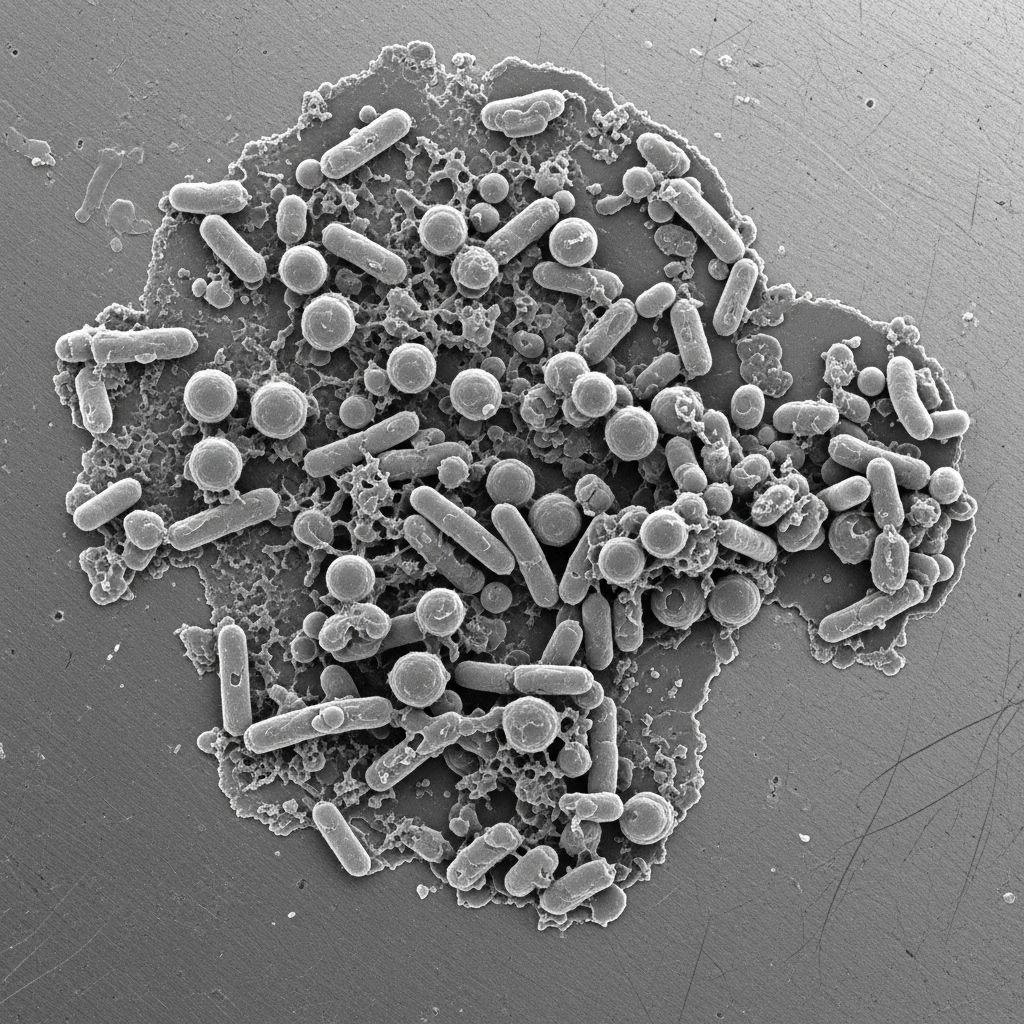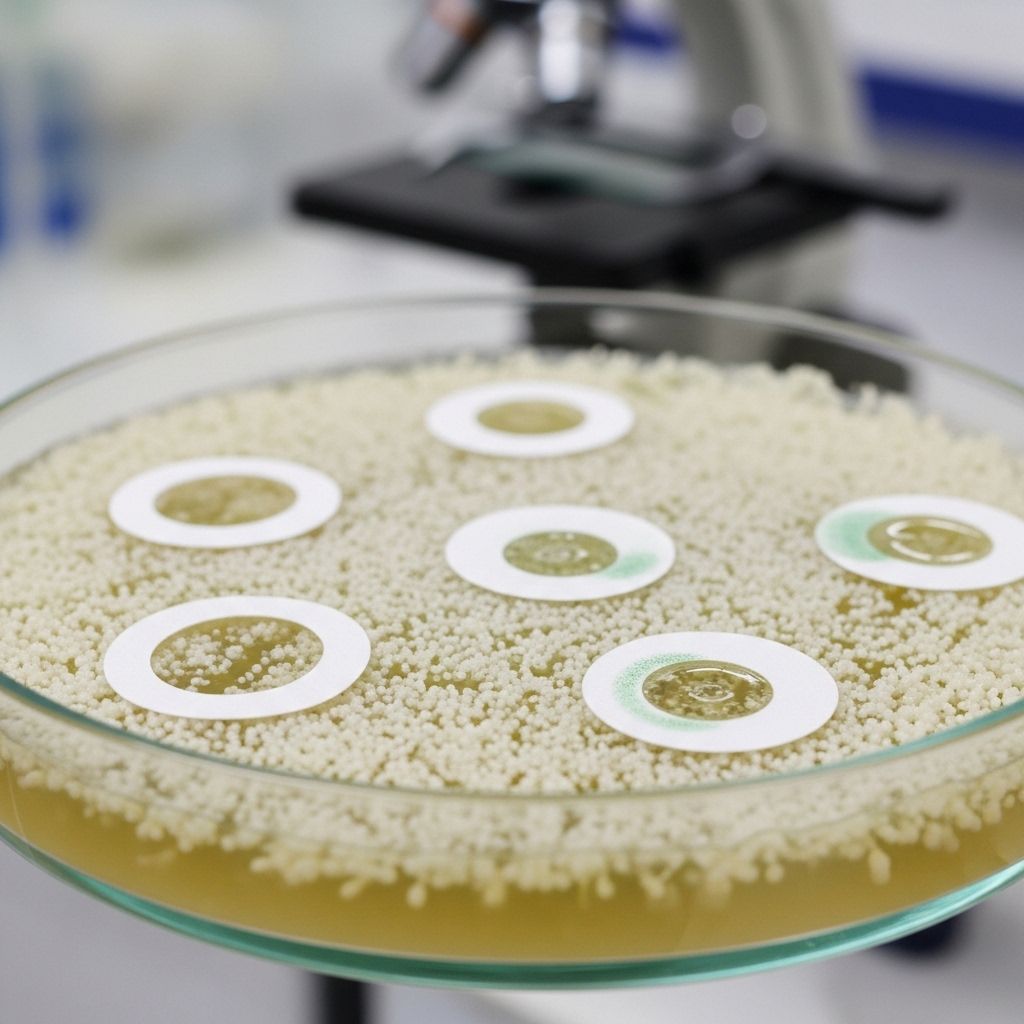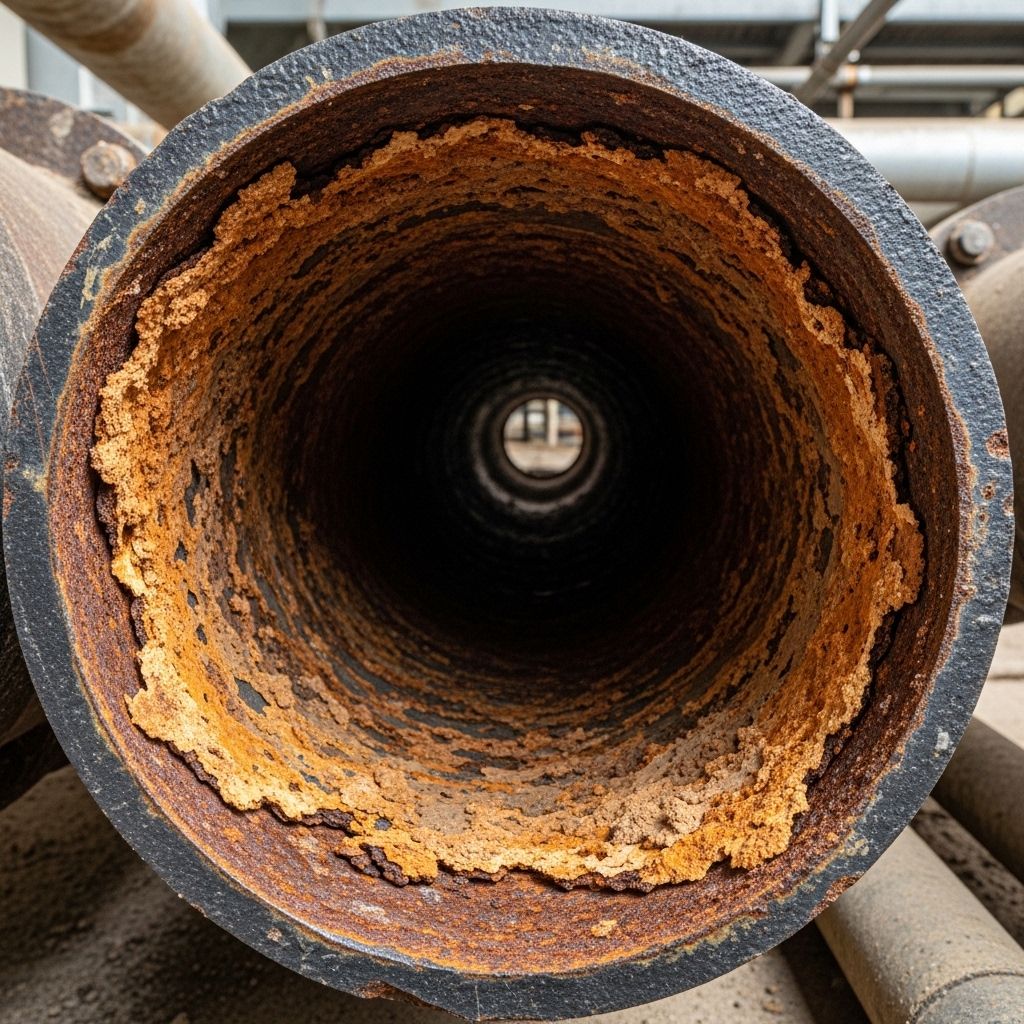
Biofilm deposits in aging hot-water supply piping — a classic Legionella habitat. Photo: Research archive.
The Scale of the Problem Germany Cannot Afford to Ignore
In the summer of 2023, an outbreak of Legionellosis at a hotel complex near Bielefeld hospitalized 14 guests and killed one. Investigators traced the source to a hot-water recirculation system where temperatures in a secondary loop had gradually fallen below 55°C — the thermal threshold below which Legionella pneumophila proliferates rapidly in biofilm-protected niches within plumbing infrastructure.
The outbreak was not exceptional. According to the Robert Koch Institute (RKI), Germany recorded 1,748 confirmed Legionellosis cases in 2022 — an increase of 31% over the five-year average and a figure that represents only a fraction of actual incidence, given the disease's frequent misdiagnosis as community-acquired pneumonia. An estimated 90% of Legionellosis cases originate from building water systems rather than natural environmental sources.
What this data establishes — and what facilities managers across Germany's commercial and institutional building stock need to internalize — is that Legionella risk is not an exotic or theoretical concern. It is an active, ongoing hazard in the water infrastructure of buildings constructed before 2002 and in many newer buildings where operational protocols have slipped.
Key Regulatory Framework
In Germany, the primary regulatory instruments governing Legionella risk in building water systems are the Trinkwasserverordnung (TrinkwV) — the Drinking Water Ordinance — and the VDI 6023 technical guidelines for hygiene in drinking water installations. Supplementary guidance is provided by the DVGW (German Technical and Scientific Association for Gas and Water) worksheets W 551 and W 553.
Understanding Biofilm: The Protective Matrix That Makes Legionella Dangerous
Legionella's pathogenic potential is inseparable from its ecology. In isolation in free-flowing, properly maintained water, L. pneumophila is a relatively fragile organism — susceptible to chlorine at standard drinking water concentrations, vulnerable to temperatures above 60°C and below 20°C, and unable to survive desiccation.
The critical variable is biofilm. Biofilm is not merely a passive surface coating; it is a dynamic microbial ecosystem — a structured community of microorganisms (predominantly bacteria, but also protozoa and fungi in mature formations) embedded in an extracellular polymeric substance (EPS) matrix consisting of polysaccharides, proteins, nucleic acids, and lipids.
Within biofilm, Legionella achieves protection from thermal treatment (biofilm can reduce effective heat penetration by several degrees Celsius), chemical biocides (EPS matrices reduce chlorine diffusion by up to 1,000-fold relative to planktonic exposure), and immune responses (L. pneumophila replicates intracellularly within biofilm-associated amoebae, which also protect it from disinfection). The upshot is that a Legionella population embedded in pipe-wall biofilm can survive a thermal shock treatment that would eliminate planktonic cells by a margin of several logarithmic units.
Temperature Dynamics: The 25–45°C Risk Window
The temperature range within which Legionella presents acute colonization risk — 25 to 45°C, with optimal growth near 37°C — corresponds precisely to the operating range of poorly maintained hot-water systems and the stagnation zones that develop in oversized or infrequently used cold-water lines.
The critical design and operational failure modes that create these conditions include:
- Hot-water recirculation loops with dead-legs: Pipe segments that are not continuously circulated lose temperature over time, creating warm stagnation zones ideal for Legionella multiplication.
- Undersized hot-water storage vessels operated at reduced temperatures: Energy-saving measures that lower storage temperature to 50°C or below remove the thermal margin required to prevent colonization.
- Cold-water lines routed through warm building zones: Cold-water distribution pipes passing through plant rooms, basements, or building cores heated by adjacent infrastructure can exceed 20°C — the lower threshold for Legionella activity.
- Seldom-used outlets: Showers, taps, and fixtures that are used infrequently allow stagnant warm water to remain in branch pipes for days or weeks.
- Cooling towers and evaporative condensers: Atmospheric aerosolization from cooling towers represents a separate, often underestimated exposure pathway that has caused several major community outbreaks in Germany.
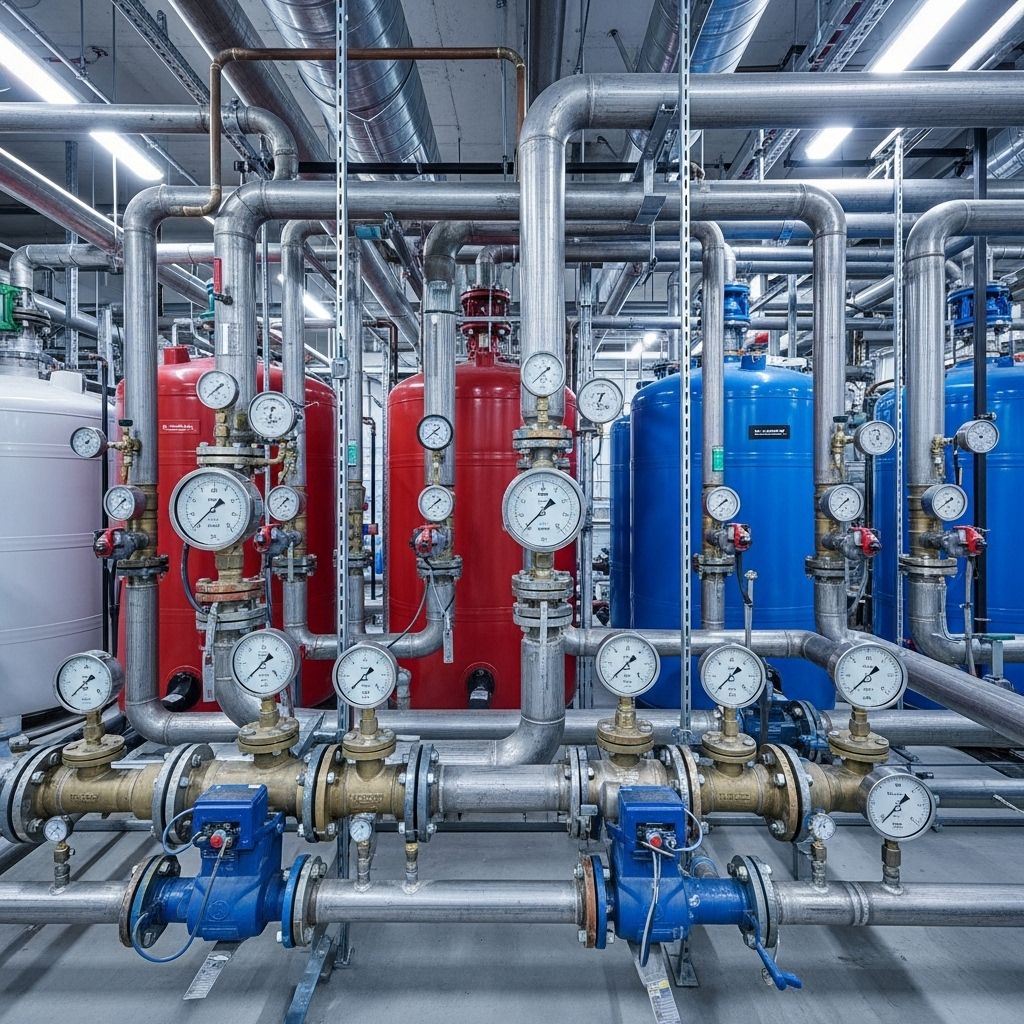
Mechanical plant rooms with complex piping manifolds are high-risk zones for thermal stratification and biofilm development.
Updated European and German Standards: What Changed in 2023–2024
The European Committee for Standardization published EN 16421:2015 on the prevention of Legionella in building water systems, but German authorities have gone further in their national transposition. The revised VDI 6023 Part 1 (2023 edition) introduces several significant new requirements:
- Mandatory quarterly risk assessments for all commercial, institutional, and multi-tenant residential buildings with more than 50 occupants or water system complexity ratings above Class B
- Annual water sampling at representative outlets, with immediate remediation triggers if Legionella counts exceed 100 CFU/100mL in any sample
- Digital maintenance logs accessible to local health authorities (Gesundheitsamt) upon request
- Accredited specialist involvement in initial risk assessments and post-remediation verification for buildings above 3,000 occupants or those with complex recirculation systems
- Thermal flush protocols defined not merely by target temperature but by duration at temperature, minimum flow rate, and coverage of all terminal outlets
"The revised VDI 6023 represents a shift from reactive compliance to proactive risk management. The quarterly assessment cycle, properly implemented, would catch the thermal and hydraulic drift conditions that preceded every major Legionellosis outbreak we have investigated in Germany over the past decade."
Practical Compliance: A Framework for Facilities Managers
Translating regulatory requirements into operational protocols requires addressing three domains simultaneously: engineering controls, monitoring systems, and documentation practices.
Engineering Controls
The primary engineering interventions for Legionella control center on thermal management and hydraulic design. Hot water must be stored at a minimum of 60°C throughout storage vessels (not merely at the inlet) and distributed at no less than 55°C at all points of the recirculation loop. Cold water must remain below 20°C at all points. Where these targets cannot be maintained through passive system design alone, supplementary interventions include:
- Copper-silver ionization systems for continuous biocidal treatment
- Chlorine dioxide dosing in higher-risk applications
- UV disinfection at point-of-entry or high-risk outlets
- Systematic dead-leg elimination through annual pipe audit and hydraulic rebalancing
Monitoring Systems
Temperature monitoring is the most cost-effective first-line measure. Modern IoT-enabled temperature loggers can monitor multiple points across a building water system continuously, generating alerts when values drift into the risk range and providing the data trail required for regulatory documentation. Microbiological sampling should supplement temperature monitoring, not substitute for it.
Cost of Non-Compliance vs. Cost of Prevention
A risk-based economic analysis published in the Bundesgesundheitsblatt in 2023 estimated the per-building average cost of a Legionella remediation event — including professional decontamination, resampling, temporary facility closure, and legal exposure — at approximately €85,000 for mid-sized commercial properties. The same analysis estimated the annual cost of a fully compliant prevention program at €4,200–€9,500 depending on system complexity. The prevention-to-remediation cost ratio is thus approximately 1:12.
This calculation does not include the human cost of Legionellosis — a disease with a case fatality rate of 5–15% in community-acquired cases and substantially higher in immunocompromised populations — or the reputational and regulatory consequences for building operators following an attributable outbreak.
Conclusion
Legionella risk in building water systems is a solved problem in the engineering sense: we understand the organism's ecology, its vulnerability to thermal and chemical controls, and the design conditions that enable it to flourish. What persists is an implementation gap — a failure to translate scientific knowledge into consistent operational practice across Germany's enormously diverse building stock.
The revised VDI 6023 and updated TrinkwV requirements provide the regulatory framework. What is needed now is the professional capacity and organizational commitment to deliver quarterly risk assessments, systematic monitoring, and properly documented remediation — not as a bureaucratic compliance exercise, but as an expression of the fundamental duty of care that building operators owe their occupants.
Sources & References
- Robert Koch Institute. SurvStat@RKI 2.0: Legionellosis surveillance data 2019–2023. Berlin, 2024.
- VDI 6023 Part 1. Hygiene in drinking-water installations — Requirements for planning, installation, operation and maintenance. 2023 Edition.
- DVGW Worksheet W 551. Drinking water heating and drinking water pipeline systems; technical measures for reducing Legionella growth. 2004 (under revision 2024).
- Exner M, et al. Prevention and control of health care-associated waterborne infections at health care facilities. American Journal of Infection Control, 2005.
- Bundesgesundheitsblatt. Economic analysis of Legionella prevention in commercial building water systems in Germany. 2023;66(4):412–421.
- European Committee for Standardization. EN 16421:2015 — Prevention of Legionella growth in installations inside buildings conveying water for human use. Brussels, 2015.
About the Author
Dr. Markus Held
Public health physician, 18 years in hospital hygiene and Legionella risk management. Consultant to three Düsseldorf municipal authorities.