Modern disinfectant formulation is a precision chemical science, balancing efficacy, material compatibility, toxicological safety, and environmental persistence.
Prologue: The Semmelweis Moment and What Came After
In 1847, Ignaz Semmelweis demonstrated that handwashing with chlorinated lime solution reduced puerperal fever mortality in Vienna's maternity wards from 18% to under 2%. He was met, famously, with institutional resistance and ridicule. What Semmelweis intuited — that invisible agents on unwashed hands killed patients — was not yet explainable in the scientific language of his era. He had found the first practical urban disinfection chemistry before germ theory existed to explain why it worked.
The century and a half since has been defined by a progressive deepening of that understanding: from empirical observation to mechanistic biochemistry, from simple mineral chemistry to engineered molecular systems targeting specific microbial vulnerabilities with increasing precision. The history of disinfection chemistry is, in condensed form, the history of applied microbiology as a scientific discipline.
The Phenol Era: 1865–1920
Joseph Lister's introduction of carbolic acid (phenol) as a surgical antiseptic in 1865 established the first rationally applied disinfection chemistry in clinical settings. Phenol's mechanism of action — disruption of bacterial cell membranes and denaturation of intracellular proteins — made it broadly effective against the bacterial pathogens responsible for post-surgical sepsis.
The German chemical industry, led by BASF, Hoechst, and Bayer in the Rhine-Ruhr region, rapidly industrialized phenolic disinfectant production. By 1900, phenol, cresol, and coal-tar derivatives were standard constituents of hospital cleaning formulae across German-speaking Europe. The term "Karbol" entered everyday German vocabulary as a synonym for disinfection itself.
The limitations of phenolic compounds were recognized early: high mammalian toxicity at effective concentrations, corrosive damage to materials, environmental persistence, and an odor profile that became a cultural signifier of institutional sterility rather than genuine sanitation. These limitations set the agenda for the next phase of chemical development.
The Chlorine Revolution in Municipal Sanitation
While phenol dominated clinical settings, chlorine chemistry was transforming municipal sanitation. The introduction of continuous chlorination of drinking water supplies — first implemented in a German context in Hamburg's reconstituted water system after the 1892 cholera epidemic — was perhaps the single most consequential public health intervention of the 20th century.
Chlorine's biocidal mechanism operates through oxidation of microbial cellular components: it reacts with sulfhydryl groups in bacterial enzymes, disrupts membrane integrity, and generates reactive oxygen species that overwhelm microbial antioxidant defenses at extraordinarily low concentrations (effective against most waterborne pathogens at 0.1–0.5 mg/L free chlorine).
The subsequent development of chlorine derivatives — sodium hypochlorite, chloramines, chlorine dioxide, and stabilized chlorine compounds — expanded the practical application range across surface disinfection, food processing, and water treatment applications that define modern German environmental sanitation infrastructure.
Quaternary Ammonium Compounds: The Mid-Century Dominance
The development of quaternary ammonium compounds (QACs) in the 1930s and their widespread commercial deployment in the 1950s represented the most significant transition in surface disinfection chemistry since the phenol era. QACs are cationic surfactants — their positively charged nitrogen head group is electrostatically attracted to the negatively charged surfaces of bacterial cell membranes, disrupting membrane integrity and ultimately causing cell lysis.
The commercial advantages of QACs over phenolic compounds were decisive: lower acute mammalian toxicity, better material compatibility, surface-film persistence providing residual activity after application, and formulation flexibility. By 1970, QAC-based products had captured the majority of the German commercial cleaning and disinfection market.
| Generation | Representative Compounds | Key Advantage | Known Limitation |
|---|---|---|---|
| 1st Gen. QAC (1935–1960) | Benzalkonium chloride, cetylpyridinium chloride | Broad spectrum, low mammalian toxicity vs. phenol | Narrow efficacy against Gram-negative organisms |
| 2nd Gen. QAC (1960–1985) | Didecyldimethylammonium chloride (DDAC) | Enhanced Gram-negative coverage | Tolerance selection begins to emerge |
| 3rd Gen. QAC (1985–2010) | Twin-chain, dialkyl QACs | Improved biofilm penetration | Cross-resistance to antibiotics documented |
| Formulation Era (2010–present) | QAC combinations with chelators, enzymes | Synergistic efficacy, resistance mitigation | Complexity increases environmental fate uncertainty |
The Resistance Problem: QAC Tolerance in Urban Microbiomes
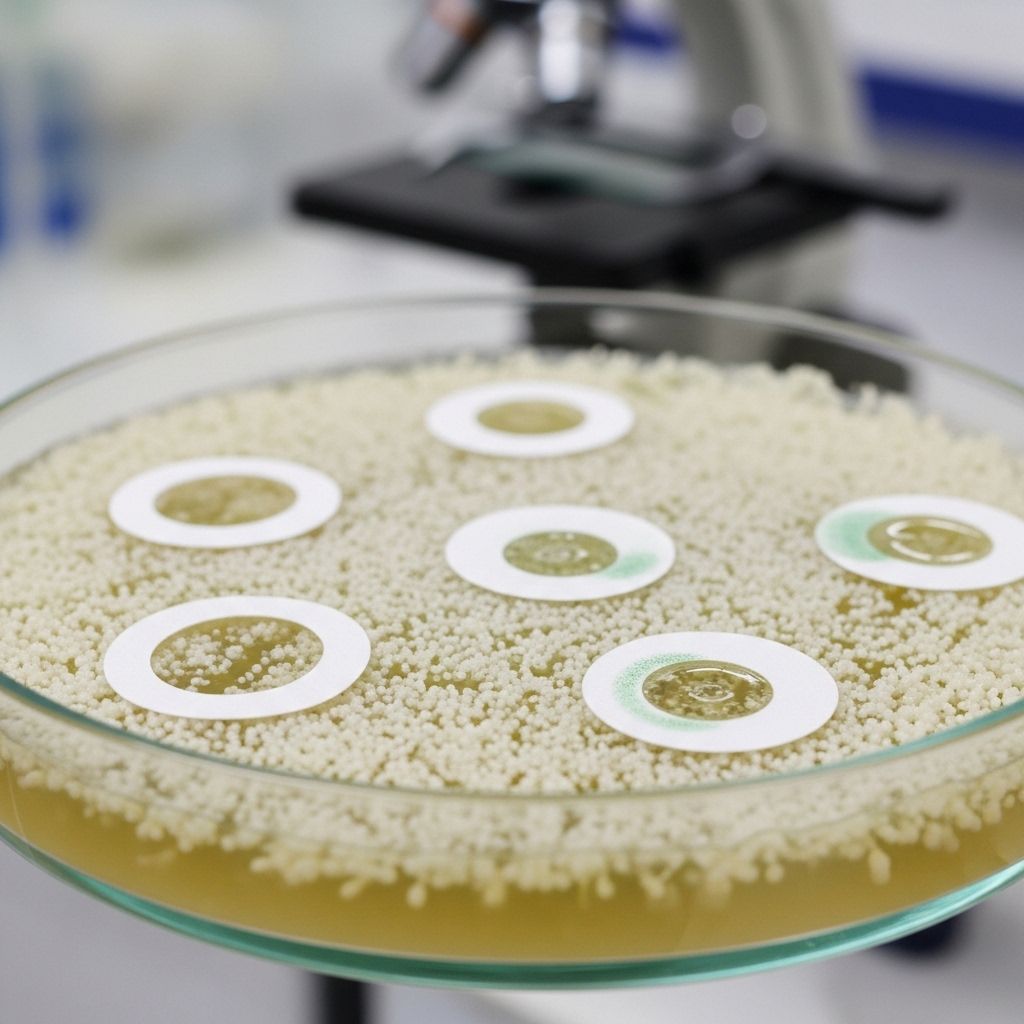
The routine and often suboptimal application of QAC-based disinfectants in commercial, institutional, and domestic settings over the past six decades has generated selection pressure with consequences that the disinfection industry is only now fully confronting. Tolerance to QACs — defined as the ability of a microbial strain to survive and grow at concentrations that would eliminate its susceptible counterparts — has been documented across an expanding range of clinically relevant bacteria.
Of particular concern is the documented cross-resistance between QAC tolerance and antibiotic resistance. Bacterial strains that have developed tolerance to QACs frequently carry efflux pump systems — notably the smr, qacA/B, and qacEΔ1 gene families — that confer simultaneous reduced susceptibility to clinically important antibiotics including aminoglycosides and fluoroquinolones. Indoor environments where QACs are applied routinely may therefore be selecting for antibiotic-resistant organisms independent of any antibiotic use.
"We are, through routine surface disinfection, applying selection pressure that shapes the antibiotic resistance profiles of the organisms that inhabit our buildings. This is not a theoretical risk — it is a measurable, documented phenomenon, and it should change how we think about disinfection chemistry selection in built environments."
The Next Generation: Photocatalysis, Enzymatic Systems, and Nano-Materials
The disinfection chemistry landscape in 2024 is in genuine transition. Driven by QAC resistance concerns, tightening EU Biocidal Products Regulation (BPR) registration requirements, and growing demand for environmentally compatible formulations, three technology families are advancing toward commercial viability for urban built environments:
Photocatalytic Titanium Dioxide Systems
TiO₂-based photocatalytic coatings generate reactive oxygen species (primarily hydroxyl radicals) when activated by UV or, in newer formulations, visible-spectrum light. Applied as surface coatings on walls, floors, HVAC components, or incorporated into building materials, these systems provide continuous, self-regenerating antimicrobial activity without creating selection pressure for specific resistance mechanisms. German manufacturers including Sto AG have commercialized photocatalytic building coatings with documented efficacy against MRSA and Pseudomonas aeruginosa.
Enzyme-Based Cleaning Systems
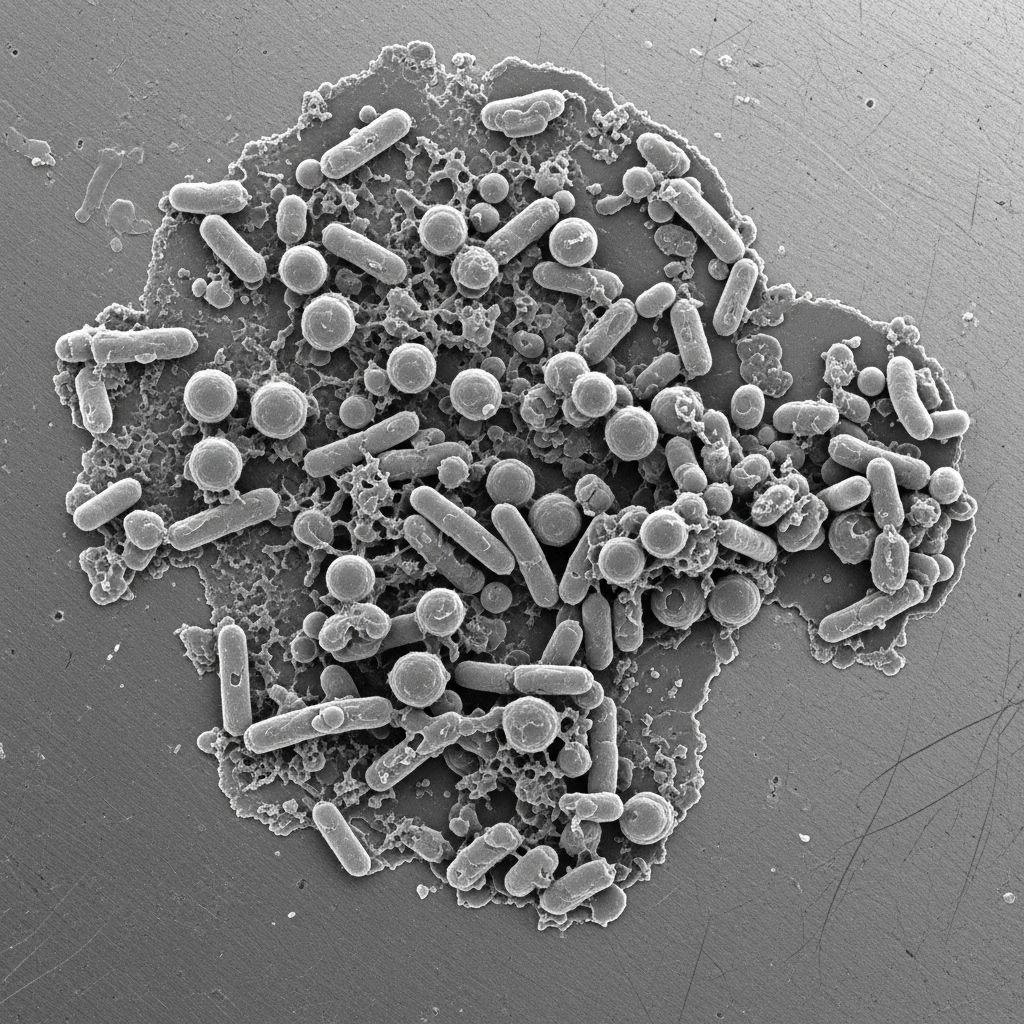
Formulations combining protease, lipase, amylase, and cellulase enzymes target the extracellular polymeric substance (EPS) matrix of biofilm, physically disrupting the architectural structure that protects resident organisms from biocidal agents. Used as a pre-treatment or in combination with low-concentration disinfectants, enzyme-based systems can restore biocidal efficacy against tolerant biofilm-associated populations with lower active substance concentrations.
Nano-Silver and Silver Ion Systems
Colloidal silver and silver ion releasing systems leverage silver's multi-target mechanism of action — disrupting respiratory chain enzymes, destabilizing cell membranes, and interfering with DNA replication — to provide broad-spectrum antimicrobial activity with a resistance profile that has shown considerably greater stability than QAC-based systems over comparable exposure periods. The EU BPR has approved several nano-silver formulations for surface disinfection, and German hospital infrastructure projects are increasingly specifying silver-containing materials for high-contact surfaces.
Regulatory Evolution: EU Biocidal Products Regulation and What It Means
The EU Biocidal Products Regulation (BPR, Regulation 528/2012) fundamentally reshaped the European disinfection market by requiring scientific dossier-based authorization for all active substances used in biocidal products. The BPR framework specifically addresses QAC resistance as a risk factor in authorization assessments, requires consideration of cross-resistance potential, and has accelerated the withdrawal of several older QAC formulations from the German commercial market.
For German facilities managers and procurement teams, the practical implication is that the disinfectant product landscape will continue to evolve significantly through 2025–2027 as BPR reauthorization decisions are implemented. Products that fail BPR authorization will be unavailable regardless of procurement preferences, making strategic procurement planning and chemistry familiarization an operational priority.
Sources & References
- Paulson DS. Disinfection and decontamination: a practical handbook. CRC Press, 2008.
- Buffet-Bataillon S, et al. Emergence of resistance to antibacterial agents: the role of quaternary ammonium compounds. Journal of Antimicrobial Chemotherapy, 2012;67(7):1587–1604.
- European Chemicals Agency. Biocidal Products Regulation: Active Substance Approval Status. ECHA, 2024.
- Hartmann I, Meyer B. Disinfectant resistance in clinical and environmental isolates from German hospitals 2015–2022. Hygiene & Medicine, 2023;48(3):112–119.
- Rensing C, Grass G. Escherichia coli mechanisms of copper homeostasis in a changing environment. FEMS Microbiology Reviews, 2003;27(2–3):197–213.
About the Author
Prof. Inge Hartmann
Emeritus Professor of Applied Chemistry, University of Düsseldorf. 35 years of research into antimicrobial compound formulation.