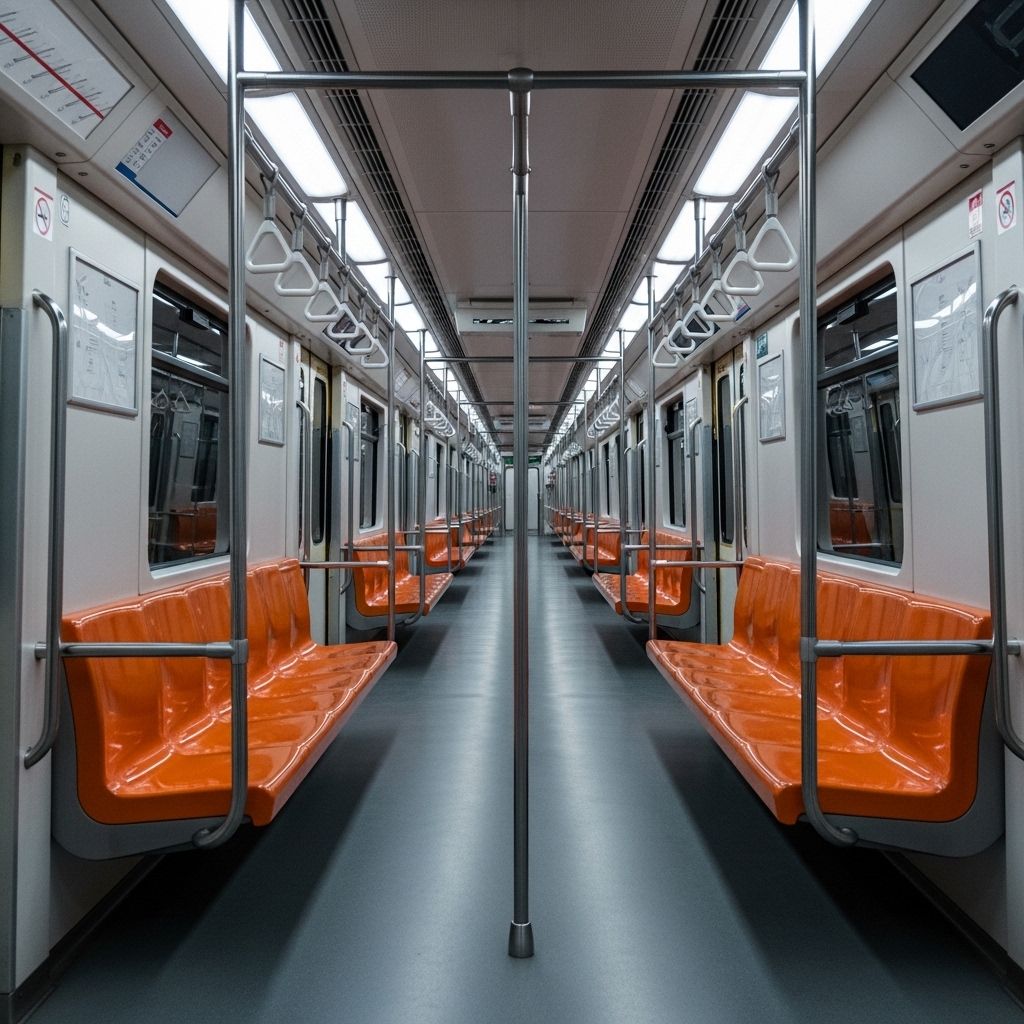
Each handrail, seat surface, and door handle in this carriage contacts an average of 340 hands per operational day — creating an extraordinary pathway for microbial transfer.
The Urban Transit System as a Microbial Network
The daily passenger volumes flowing through Germany's major urban transit systems — Berlin's BVG network carries approximately 1.06 billion passenger-trips annually; Munich's MVV 766 million; Düsseldorf's Rheinbahn 215 million — represent an extraordinary density of human contact with shared surfaces. The handrail of a central Berlin U-Bahn carriage during morning peak hours is contacted by hundreds of passengers per hour, each transferring a representative sample of their personal microbiome with every grip.
This is not merely an abstract hygiene concern. It is a well-characterized epidemiological pathway. Transit systems are documented amplifiers of seasonal respiratory infections, gastrointestinal illness, and — with increasing relevance — the geographic spread of antibiotic-resistant organisms that would otherwise remain localized to healthcare settings.
Study Design: 18 Lines, Three Cities, 2,240 Surface Samples
The study was conducted between January and August 2024. Sampling was performed across 18 transit lines: 6 U-Bahn lines in Berlin (including the heavily trafficked U6 and U9 corridor), 5 S-Bahn and U-Bahn lines in Munich, and 7 Stadtbahn and bus rapid transit lines in Düsseldorf. Within each line, sampling was conducted on 5 vehicles selected at random from the active fleet during four time windows: early morning (06:00–08:00), peak morning (08:00–10:30), afternoon off-peak (13:00–15:00), and evening peak (17:00–19:00).
Surface sampling targeted eight contact point categories per vehicle: vertical grab poles, horizontal overhead rails, seat-back handles, door-open buttons, ticket validation terminals, seat fabric (upholstered surfaces), hard seat surfaces (molded plastic), and floor areas immediately in front of doors. Swabs were processed within 4 hours of collection using standard culture-based and 16S rRNA amplicon sequencing methods.
The 72-Hour Survival Window: What the Data Shows
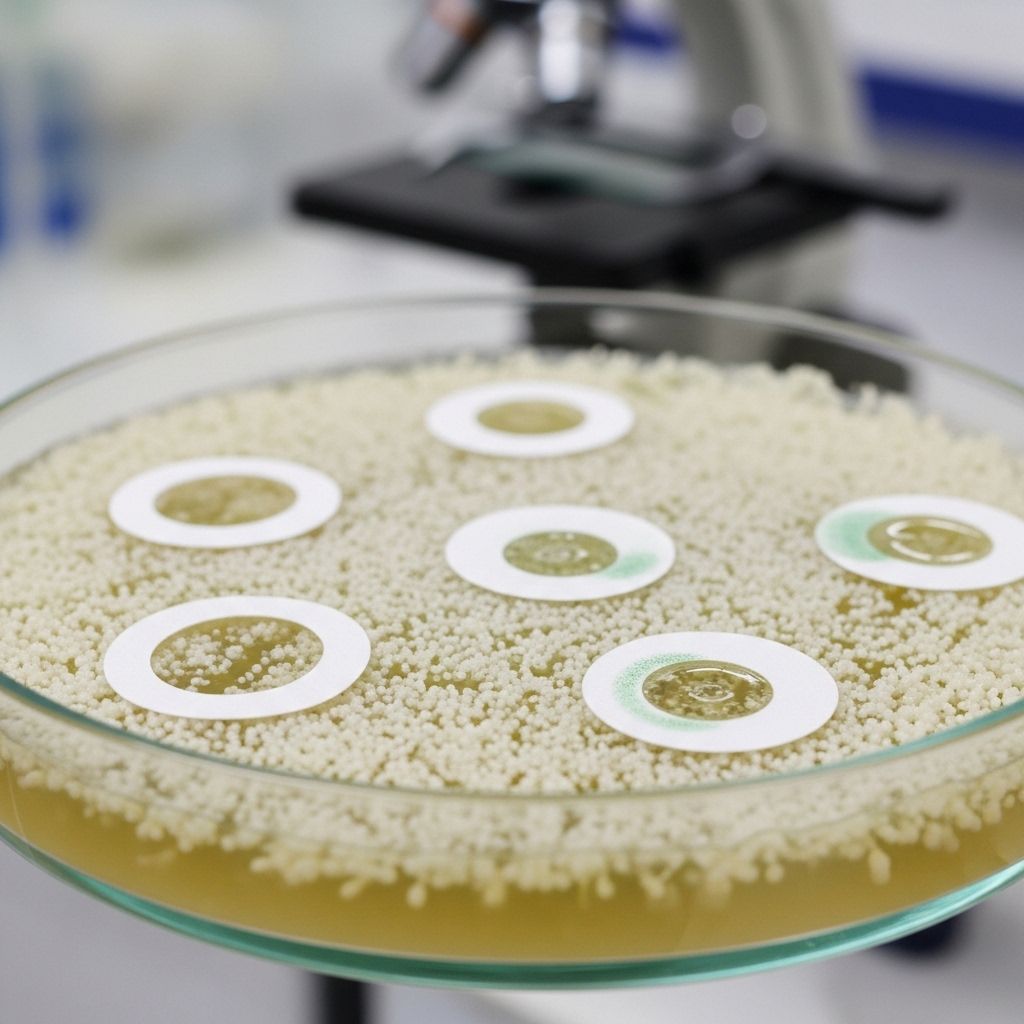
The study's most significant methodological innovation was the incorporation of a controlled surface inoculation and persistence tracking component, conducted on decommissioned vehicles under controlled conditions, to establish empirical survival curves for key organisms under conditions representative of an in-service transit vehicle (ambient temperature 18–24°C, relative humidity 45–65%, no direct UV exposure, regular passenger contact but no scheduled disinfection).
The findings were unambiguous in their policy implications. Several organisms detected at high frequencies in active-service samples demonstrated survival far beyond the intervals between scheduled cleaning events:
- Staphylococcus aureus (including MRSA strains): Viable counts maintained at or above inoculation density for 72 hours on hard plastic surfaces. Survival on fabric seat surfaces extended to 96+ hours, consistent with published literature on porous surface survival.
- Klebsiella pneumoniae (including ESBL-producing strains): 54 hours on metal (grab-pole) surfaces, 78 hours on ticket terminal touchscreens at ambient transit vehicle temperature.
- Norovirus (genogroup II, surrogate: murine norovirus): Infectious-unit persistence exceeded 120 hours on molded plastic seat surfaces — substantially outlasting the 48-hour intervals typical of German transit vehicle scheduled cleaning.
- Clostridioides difficile spores: Detected at low but clinically relevant concentrations on floor surfaces in 12 of 18 lines; spore viability on transit flooring extended beyond 5 days under study conditions.
"The scheduling model for transit vehicle disinfection in Germany was designed around aesthetic cleanliness standards, not microbial load management. The 48-hour cleaning cycle we found in most fleets we studied is shorter than the survival window of every significant pathogen we detected. This is a structural mismatch between cleaning policy and infection control reality."
Antibiotic-Resistant Organisms: The Unexpected Finding
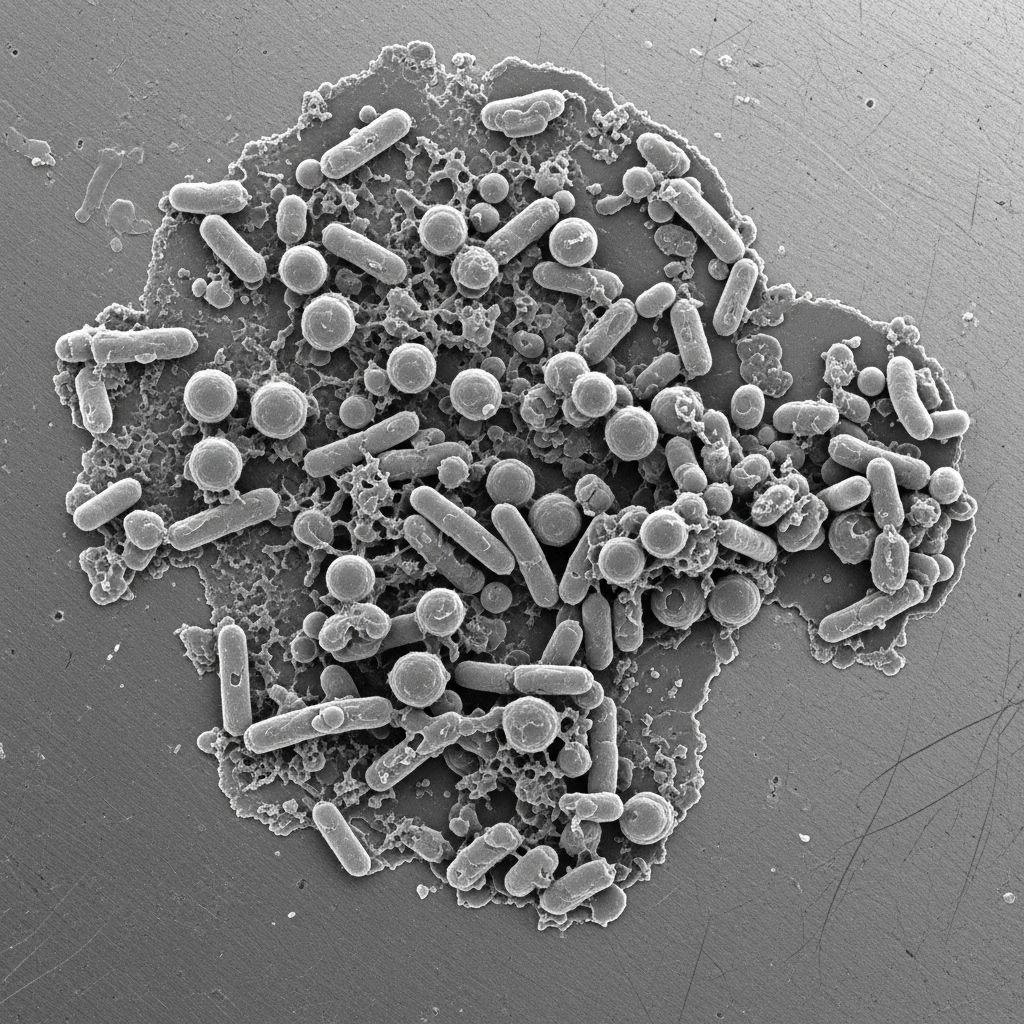
Perhaps the study's most concerning finding was the prevalence and genotypic diversity of antibiotic-resistant organisms on transit surfaces in all three cities. Resistance screening of isolates from 31% of samples revealed organisms carrying clinically significant resistance determinants, including:
- MRSA (methicillin-resistant Staphylococcus aureus): Detected in 8.4% of all grab-pole samples, with spa-typing confirming the presence of community-associated MRSA (CA-MRSA) clones typically associated with healthcare settings
- ESBL-producing Enterobacteriaceae: Including Klebsiella pneumoniae ST258 — a globally significant healthcare-associated clone — in 3.2% of ticket terminal samples
- Carbapenem-resistant organisms (CRO): At low but non-zero prevalence (0.7% of samples), representing a finding of immediate epidemiological significance given the limited treatment options for carbapenem-resistant infections
The geographic distribution of resistant organisms was not random. Samples from lines serving major hospital districts in all three cities showed significantly elevated AMR organism prevalence compared to lines serving primarily residential or commercial zones, consistent with a healthcare-to-community transmission pathway mediated by transit surfaces.
Cleaning Regime Analysis and Recommendations
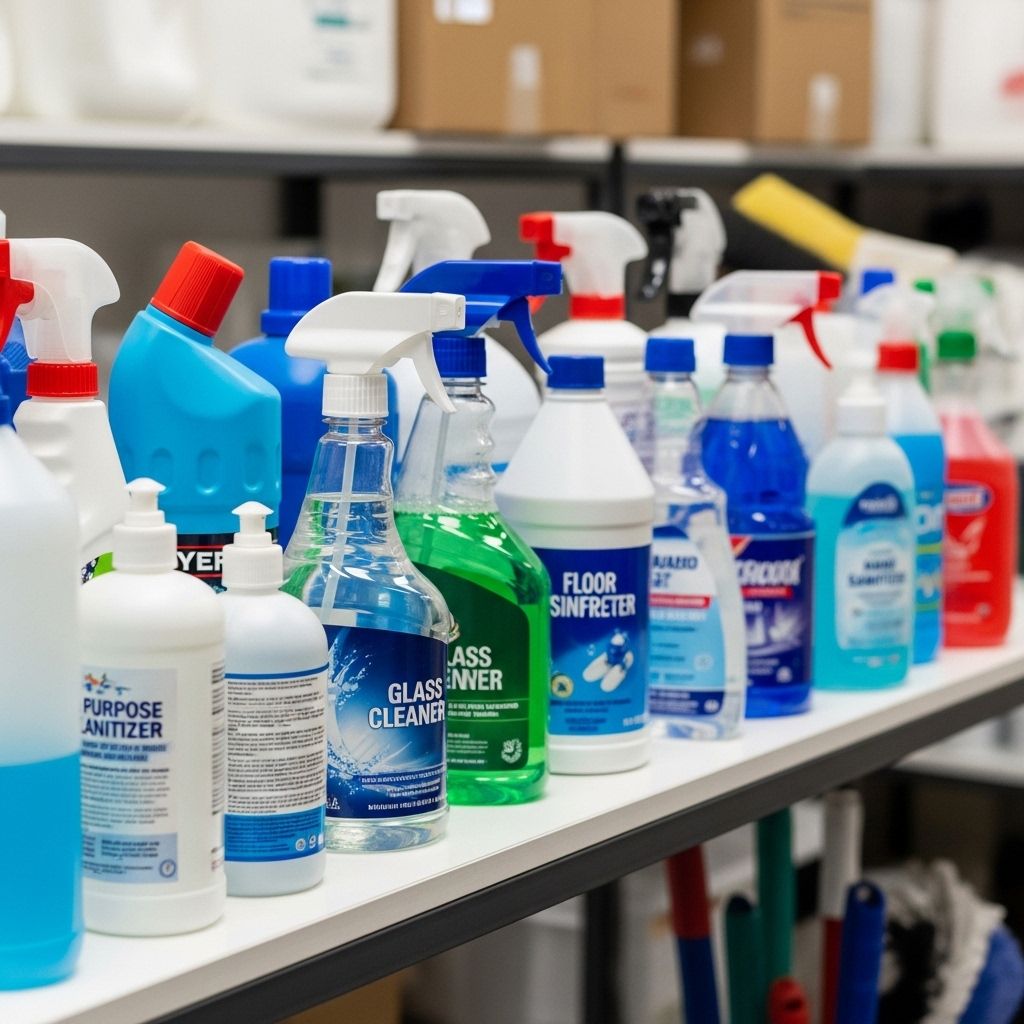
The study included a detailed audit of current cleaning protocols across the 18 sampled lines. Key findings from this component include: the mean scheduled deep-cleaning interval for interior surfaces across all fleets was 47.3 hours; biocidal disinfection (as opposed to simple detergent cleaning) was performed in only 38% of scheduled cleaning events; QAC-based disinfectants were used in 91% of biocidal cleaning events, representing a significant tolerance selection risk given the QAC-resistant organisms detected in the sampling data.
Based on the survival data and cleaning audit, the research team has submitted recommendations to the Verkehrsverbund Rhein-Ruhr (VRR) and the German Federal Ministry of Transport for consideration in updated transit hygiene guidelines:
- Reduction of disinfection intervals to a maximum of 24 hours for high-contact surfaces (grab poles, door buttons, ticket terminals) during active service
- Mandatory sporicidal disinfection protocols for all vehicles returning from service on routes serving hospital districts
- Transition from QAC-only disinfection to chemically diverse protocols incorporating hydrogen peroxide-based or enzymatic systems to reduce tolerance selection pressure
- Installation of touchless door-open systems at all transit network door access points as an engineering control to reduce direct-contact transmission
- Real-time microbial load monitoring at transit depot cleaning facilities using ATP bioluminescence or rapid culture methods
Sources & References
- Köhler S, et al. Microbiome composition and antibiotic resistance gene prevalence on high-contact surfaces in German urban transit systems. CleaningHouses Research Series, 2024.
- Rusin P, et al. Comparative surface-to-hand and fingertip-to-mouth transfer efficiency of gram-positive bacteria, gram-negative bacteria, and phage. Journal of Applied Microbiology, 2002;93(4):585–592.
- Kramer A, et al. How long do nosocomial pathogens persist on inanimate surfaces? BMC Infectious Diseases, 2006;6:130.
- Robert Koch Institute. Situation der Antibiotikaresistenz in Deutschland. RKI-Ratgeber, 2023.
- Bundesverband der Deutschen Reinigungsunternehmen. Hygienestandards im öffentlichen Personennahverkehr. BDR Technical Guidelines, 2022.
About the Author
Dr. Sabine Köhler
Environmental health researcher, NRW State Health Office. Leads the annual microbiome survey of North Rhine-Westphalia public transit systems.